
Preparatory Course
Students are placed in classes from beginner level according to their Japanese, and build the five language activities of reading, listening, writing, speaking (interaction) and speaking (presentation) to use Japanese as a real means of communication. The course includes preparation for the Examination for Japanese University Admission (EJU). Homeroom teachers and all staff work together to give careful individual support, including university counseling and interview practice.
| Course | Intake | Applications open | Document deadline (must arrive) | Immigration filing | Results | Visa procedures | Arrival & start |
|---|---|---|---|---|---|---|---|
| 2-Year Science Preparatory Course | April | Aug 1 | Oct 31 | Mid-Nov | Around Feb 20 | March | Early April |
| 1.5-Year Science Preparatory Course | October | Feb 1 | Apr 30 | Mid-May | Around Aug 20 | September | Early October |
Applications may close before the deadline once the course is full.
Year Plan for University Entrance (Year 2)
Note: the schedule can vary a lot depending on the schools you apply to.
Fees
In Japanese yen, excluding tax
| Item | First year (all courses) | Second year, 2-year course | Second year, 1.5-year course |
|---|---|---|---|
| Application fee | 20,000 | ||
| Admission fee | 50,000 | ||
| Tuition | 600,000 | 600,000 | 300,000 |
| Facility fee | 50,000 | 50,000 | 25,000 |
| Equipment fee | 50,000 | 50,000 | 25,000 |
| Materials | 30,000 | 30,000 | 15,000 |
| Extracurricular activities | 15,000 | 15,000 | 7,500 |
| Insurance | 10,000 | 10,000 | 5,000 |
| Health care | 5,000 | 5,000 | 5,000 |
| Total | 830,000 | 760,000 | 382,500 |
Materials
| Term | Year 1, first half | Year 1, second half | Year 2, first half | Year 2, second half |
|---|---|---|---|---|
| Level | Beginner 1–2 | Pre-intermediate–Intermediate | Upper intermediate | Advanced |
| Reference framework | A1・A2 | B1 | B2 | B2 |
| Core (5 skills) | 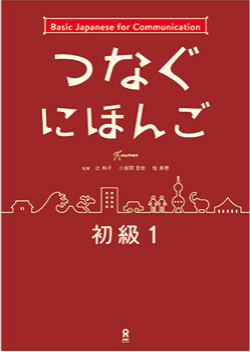 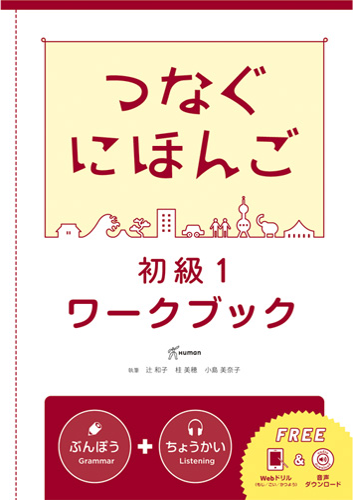 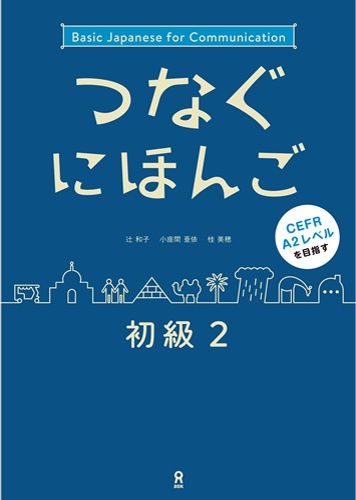 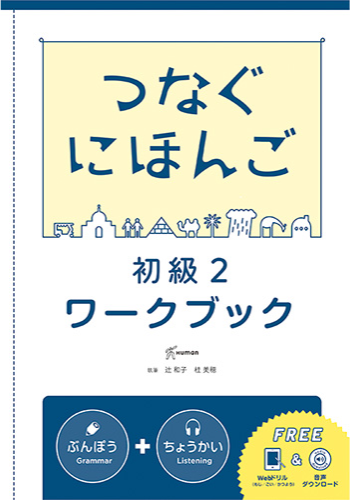 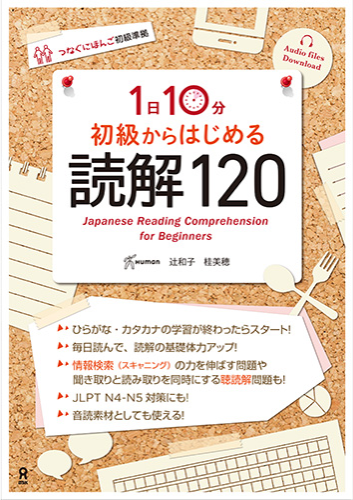 Kanji workbook | 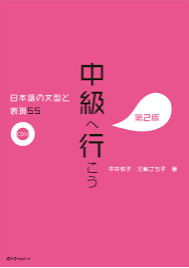 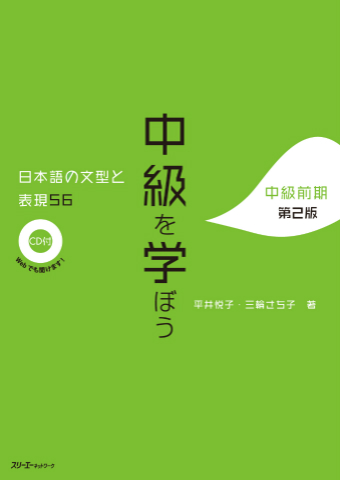 | 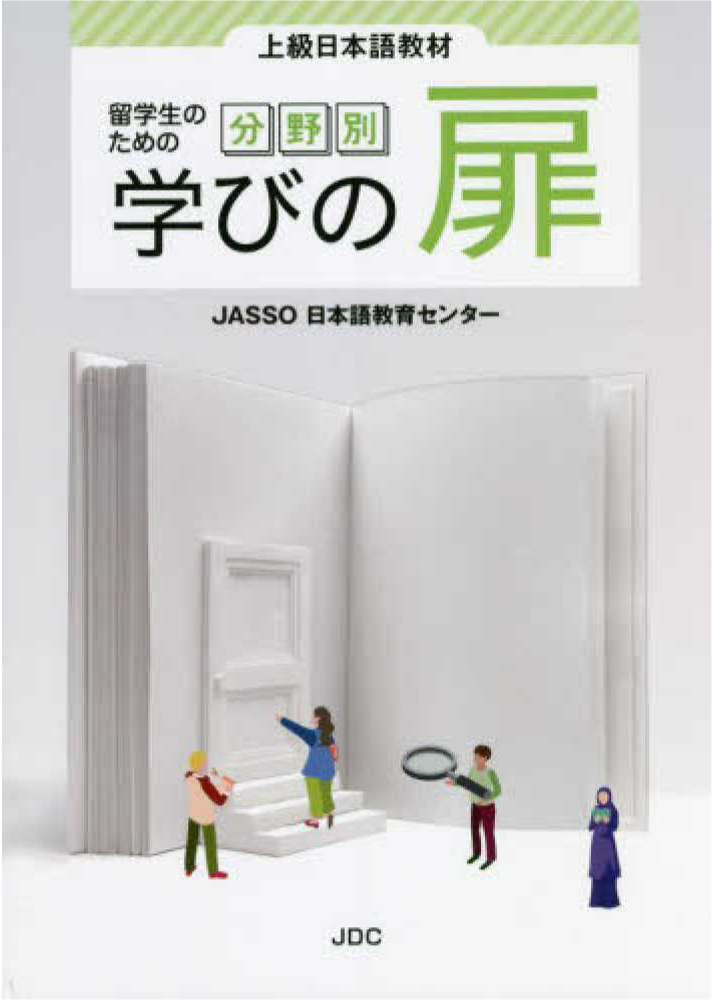 Listening materials | 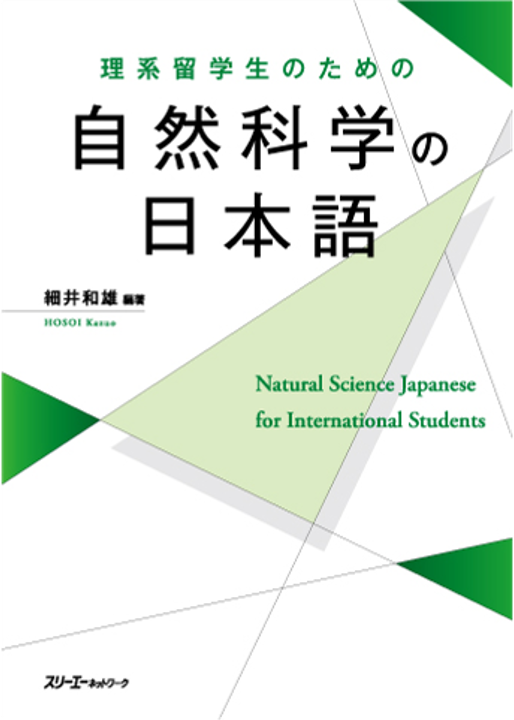  Example sentence workbook Listening materials |
| PBL | 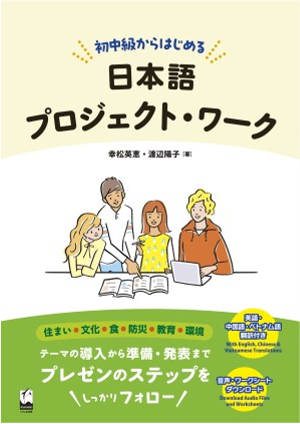 | No textbook | No textbook | |
| Career | Career guidance notebook | Career guidance notebook | Career guidance notebook | Career guidance notebook |
| EJU prep | 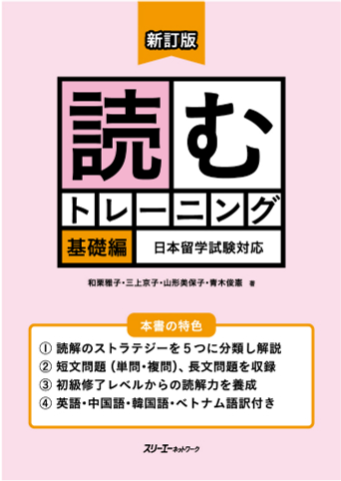 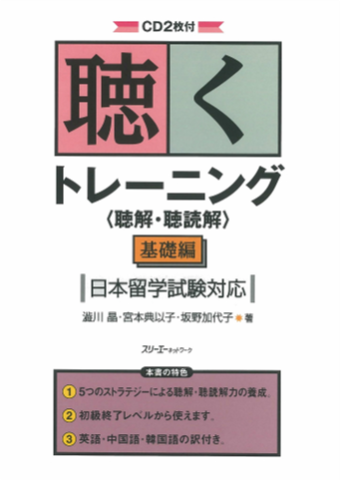 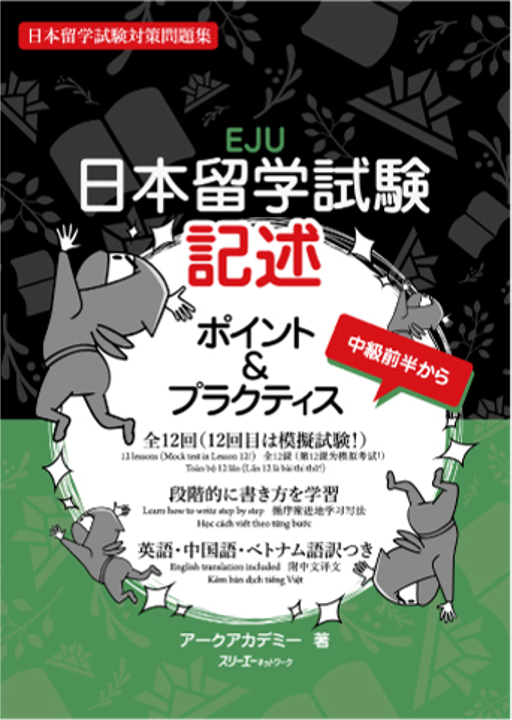 | 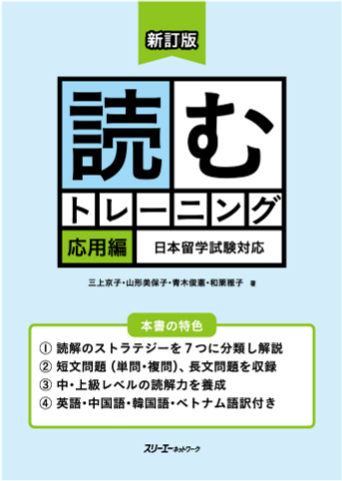 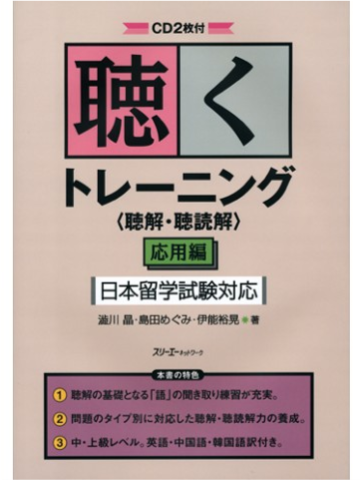 | 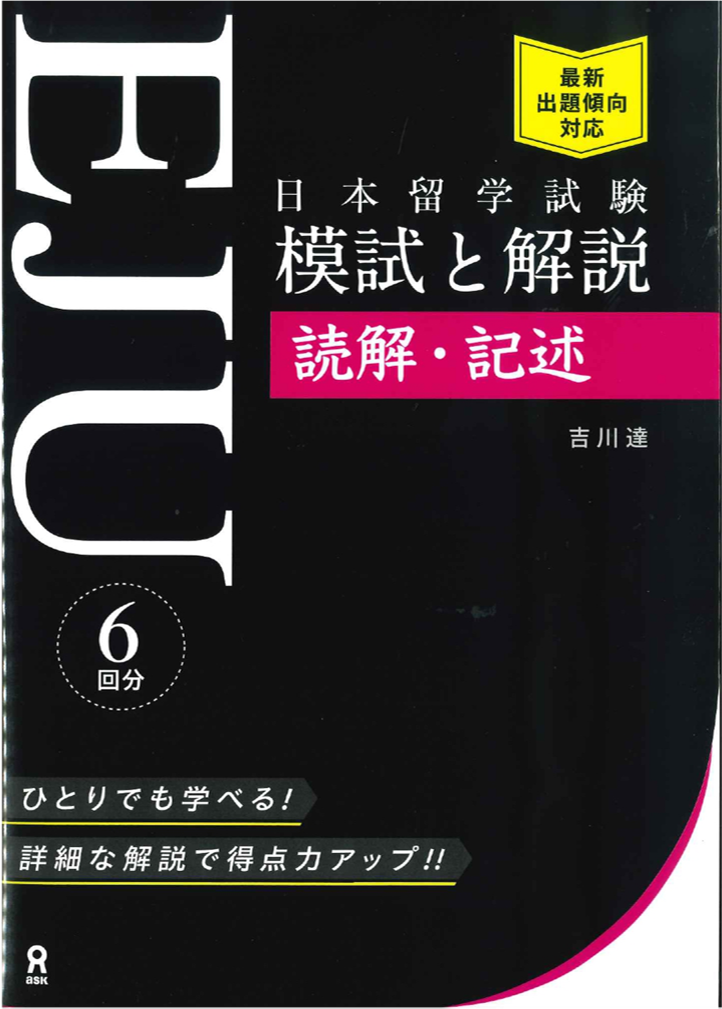 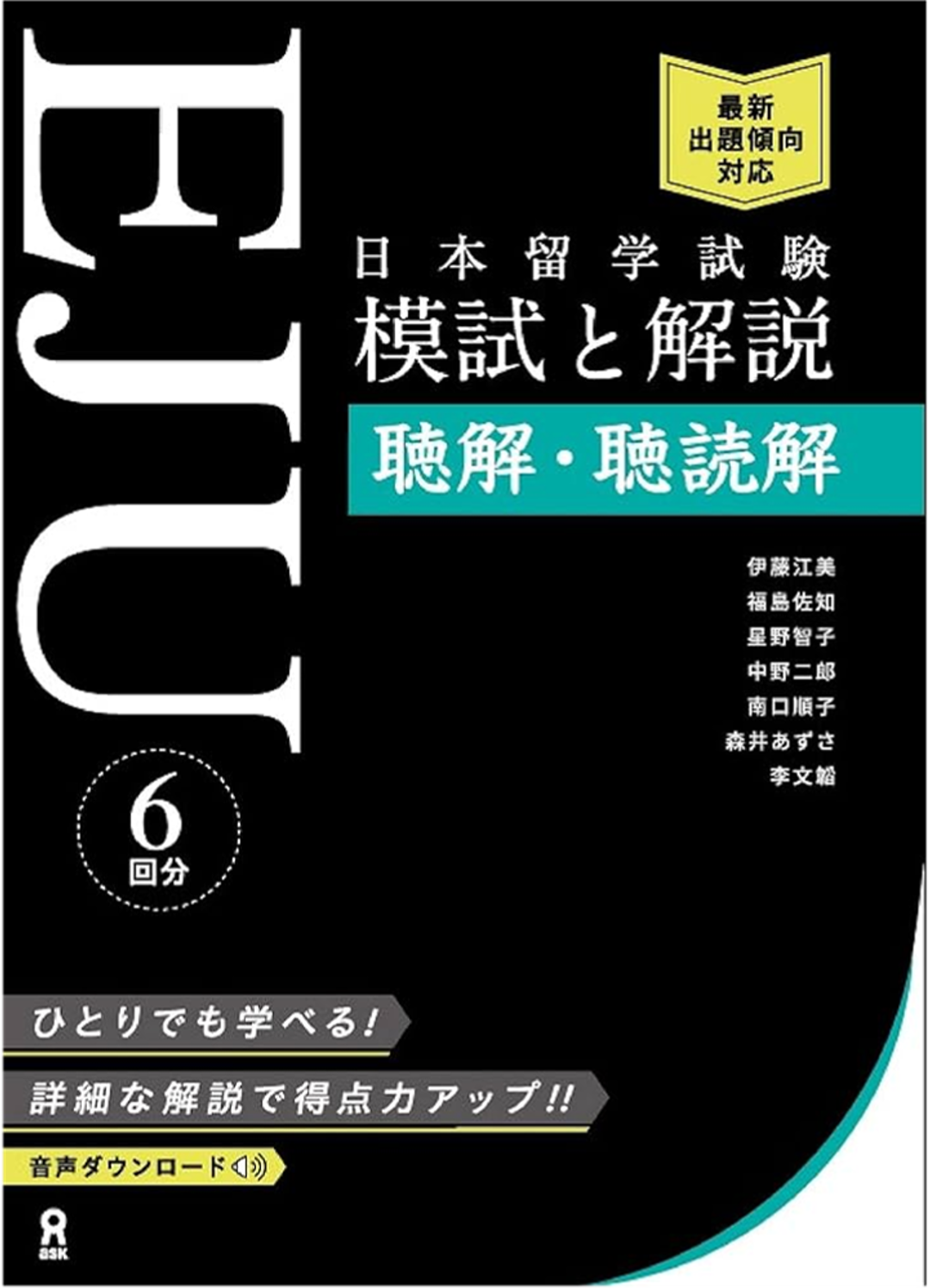 |
Timetable
Morning (example: beginner class)
| Time | Mon | Tue | Wed | Thu | Fri |
|---|---|---|---|---|---|
| 9:00–9:45 | Interaction | Interaction | Interaction | Interaction | Interaction |
| 9:55–10:40 | Interaction | Interaction | Interaction | Interaction | Interaction |
| 10:50–11:35 | Writing | Writing | Writing | Writing | Writing |
| 11:45–12:30 | Career | Listening | Reading | Delivery Skills | Delivery Skills |
Afternoon
| Time | Mon | Tue | Wed | Thu | Fri |
|---|---|---|---|---|---|
| 13:30–14:15 | Writing | Writing | PBL | PBL | EJU Prep |
| 14:25–15:10 | Writing | Reading | PBL | PBL | EJU Prep |
| 15:20–16:05 | Reading | Delivery Skills | Interaction | EJU Prep | EJU Prep |
| 16:15–17:00 | Listening | Delivery Skills | Interaction | EJU Prep | Career |
Sample timetable. It varies by class and term.
Subjects
| Subject | Language activity | Content |
|---|---|---|
| Writing | Writing | From basic short sentences to building paragraphs with conjunctions and developing logical arguments. Students finish able to write persuasive academic texts with clear structure, evidence and examples. |
| Reading | Reading | From simple explanatory texts to grasping overall structure and following logical development. Students finish able to analyze the logic of scientific papers and evaluate them critically. |
| Listening | Listening | From basic conversations and explanations to everyday talk and specialized lectures. Students finish able to follow real university lectures and take notes. |
| Interaction | Speaking (interaction) | From exchanging opinions on simple scientific topics to discussions on familiar and specialized themes. Students finish able to hold constructive debates on complex topics such as AI and nuclear power. |
| Delivery Skills | Speaking (presentation) | From basic presentations on familiar topics to using visual aids and structured formats. Students finish with academic presentation skills, through research presentations and a graduation presentation. |
| PBL | All five activities | From hands-on projects on Japanese culture, disaster preparedness and recycling to problem solving with the local community. Students finish tackling science topics such as urban transport design and energy-saving tests. |
| Career | All five activities | From basic career planning with a guidance notebook to narrowing down a field and attending open campuses. Students finish with practical exam skills: statements of purpose, interview preparation and mock interviews. |
| EJU Preparation | Writing, reading, listening | From getting used to the EJU format to structure, connecting expressions and logical writing. Through mock exams, students aim for 300 points and 40 points in the written section. |